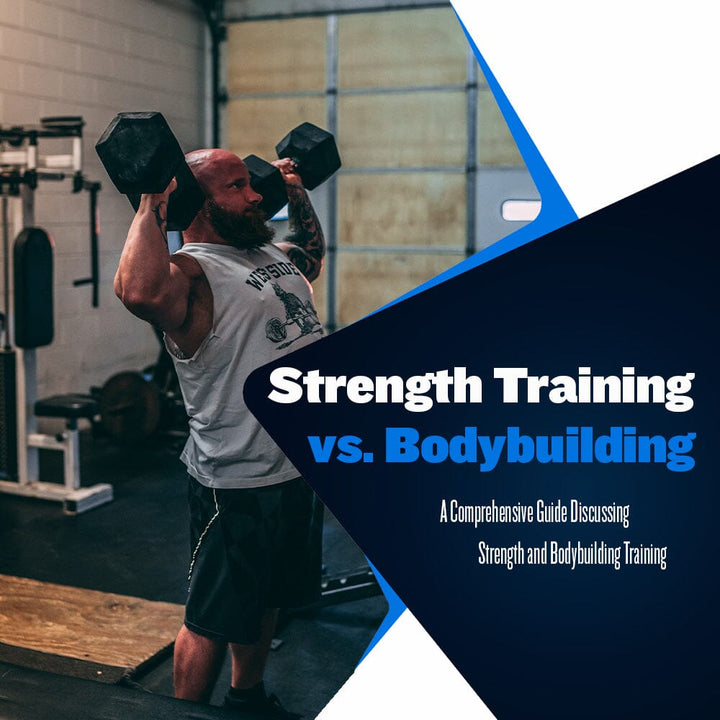
The Science of Strength Training: How Each Rep Transforms Your Muscles
The Science of Strength Training is rooted in the physiological changes that occur within your muscles during resistance exercises. Each rep you perform initiates a complex process of muscle fiber recruitment, where motor units activate to lift heavier weights or perform more intense movements. As your muscles are placed under stress, tiny tears occur in the muscle fibers, prompting the body to repair these tears. This healing process leads to muscle hypertrophy, or the increase in muscle size, as the body adapts to handle greater loads in future workouts. Understanding this dynamic is crucial for anyone looking to maximize their strength training results.
Additionally, the importance of progressive overload cannot be overstated in strength training. By gradually increasing the weight or resistance during your workouts, you continuously challenge your muscles, ensuring that they are always adapting and growing stronger. Here are some key components to consider for effective strength training:
- Frequency: Consistently train each muscle group multiple times a week.
- Intensity: Use weights that make your last few reps challenging.
- Volume: Aim for a sufficient number of sets and repetitions to stimulate growth.
Incorporating these elements into your routine will enhance the transformative effects of each rep, resulting in stronger, more resilient muscles.
Top 10 Tips for Building Mental Resilience in the Gym
Building mental resilience in the gym is crucial for achieving long-term fitness goals. Here are the top 10 tips to enhance your mental toughness:
- Set Clear Goals: Establish specific, measurable, achievable, relevant, and time-bound (SMART) goals to keep your focus sharp.
- Practice Visualization: Take a few minutes before working out to visualize your success and the journey it takes to get there.
- Embrace Discomfort: Understand that growth occurs outside your comfort zone. Tackle tough workouts head-on.
- Stay Positive: Cultivate a positive mindset by surrounding yourself with encouraging people and using affirmations.
- Track Your Progress: Keep a journal of your workouts and progress to remind yourself of how far you've come.
Next, implement these strategies to reinforce your mental resilience:
- Learn from Setbacks: Treat failures as learning opportunities. Analyzing what went wrong can provide valuable insights.
- Develop a Routine: Creating consistent workout habits can help you build discipline over time.
- Practice Mindfulness: Incorporate techniques such as meditation or breathing exercises to enhance your focus and reduce anxiety.
- Build a Support System: Engage with fellow gym-goers or a coach who can offer encouragement and accountability.
- Celebrate Small Wins: Acknowledge each step you take towards your goals, as these victories fuel your motivation and determination.
Are You Lifting Correctly? Common Mistakes and How to Fix Them
Are you lifting correctly? Many gym-goers unknowingly make common mistakes that can jeopardize their gains and lead to injuries. One prevalent error is using improper form, which not only decreases the effectiveness of the exercise but also puts unnecessary strain on your muscles and joints. To ensure you're performing lifts correctly, pay attention to key aspects such as your stance, grip, and posture. Simple adjustments like keeping your back straight and engaging your core can make a world of difference in your workout routine.
Another frequent issue is lifting too heavy too soon. This often results in poor form and can lead to accidents. Instead, focus on gradual progression by using weights that allow you to complete your sets with proper technique. If you're unsure about your form, consider seeking feedback from a trainer or using mirrors to evaluate yourself. Remember, consistency and correct lifting will yield better long-term results than lifting heavy weights improperly. By addressing these common mistakes, you can maximize your workouts and stay injury-free.