What is Full-Stack Development and Why is it Essential in 2023?
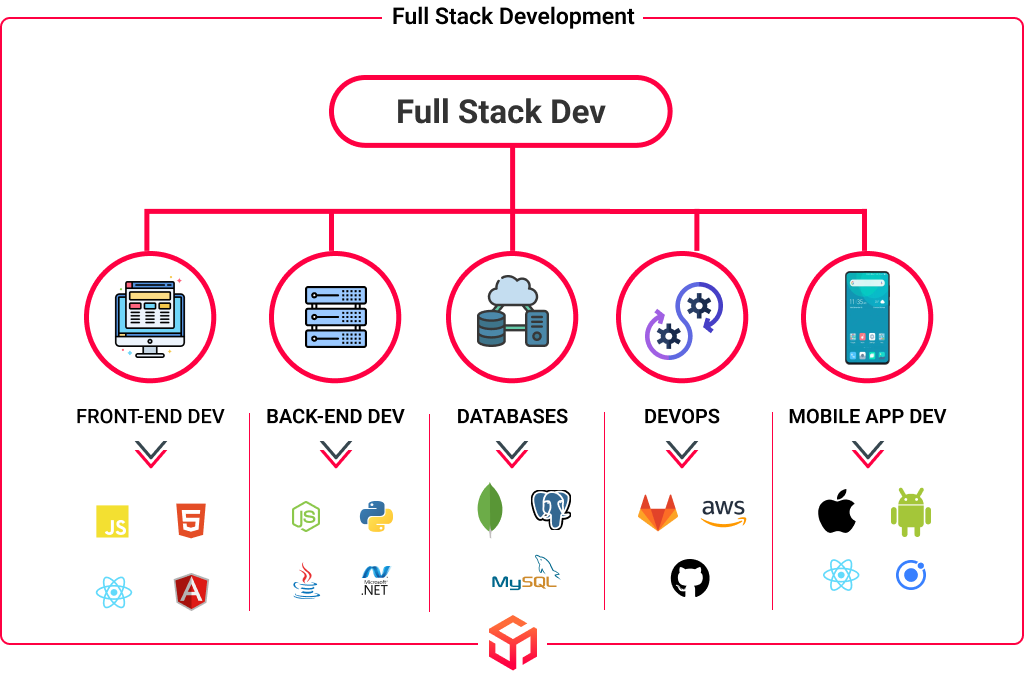
Full-stack development refers to the practice of working on both the front-end and back-end of a web application. This skill set allows developers to understand and handle all aspects of the development process, from designing an intuitive user interface to managing server-side logic and database interactions. In 2023, as we witness a surge in demand for agile and adaptable web solutions, the need for full-stack developers has never been more critical. Companies are looking for professionals who can streamline their development efforts, reduce costs, and bring products to market quickly.
The importance of full-stack development in 2023 stems from the rapid evolution of technology and the rising complexity of web applications. Developers equipped with full-stack knowledge can facilitate faster project turnaround times by collaborating seamlessly across different layers of the application. Moreover, full-stack developers are well-positioned to implement cutting-edge solutions such as Progressive Web Apps and responsive design, ensuring user experiences are optimized across devices. As the trend toward digital transformation accelerates, businesses are increasingly reliant on these versatile developers to drive innovation and enhance their competitive edge.
10 Essential Skills Every Full-Stack Developer Should Master
In the rapidly evolving tech landscape, becoming a successful full-stack developer requires proficiency in a broad range of skills. Here are 10 essential skills that every aspiring full-stack developer should master:
- HTML/CSS: The backbone of web development, understanding HTML (Hypertext Markup Language) and CSS (Cascading Style Sheets) is crucial for creating structured, visually appealing web pages.
- JavaScript: As a versatile scripting language, JavaScript enhances user interface interactions and is fundamental for both front-end and back-end development.
- Version Control/Git: Mastering version control through tools like Git enables developers to manage changes in their codebase efficiently.
- Responsive Design: Knowledge of responsive design techniques ensures that applications function well on various devices and screen sizes.
- RESTful APIs: Understanding how to interact with APIs allows developers to integrate external services, enhancing functionality.
Furthermore, a solid grasp of databases is vital for managing backend data efficiently. Here are additional skills that can set you apart:
- Database Management: Skillful use of databases like MySQL or MongoDB helps in storing and retrieving data effectively.
- Server Management: Basic knowledge of server management helps full-stack developers ensure their applications run smoothly.
- Framework Knowledge: Familiarity with modern frameworks like React or Django improves productivity and functionality.
- Security Understanding: Awareness of security best practices is essential to protect applications from vulnerabilities.
- Problem-Solving Skills: Lastly, strong analytical and problem-solving capabilities enable developers to tackle challenges effectively.
How to Transition from Front-End or Back-End to Full-Stack Development
Transitioning from Front-End or Back-End Development to Full-Stack Development can be an exciting journey that broadens your skill set and enhances your employability. To begin this process, it’s crucial to build a solid foundation in the areas of development that you're less familiar with. For Front-End Developers, focusing on server-side technologies such as Node.js or Python will be essential. Conversely, Back-End Developers should invest time learning front-end frameworks like React or Vue.js. This will help you understand user interface design and user experience principles, making you a more well-rounded developer.
Here are some practical steps to guide your transition:
- Invest in Learning: Take online courses or attend workshops focused on full-stack technologies including databases, APIs, and user interface design.
- Build Projects: Apply your acquired knowledge by working on personal or open-source projects to showcase your skills.
- Connect with the Community: Engage with other developers on platforms like Stack Overflow or GitHub, where you can exchange ideas and seek guidance.
With dedication and continuous learning, you can successfully transition to Full-Stack Development and unlock numerous opportunities in the tech industry.