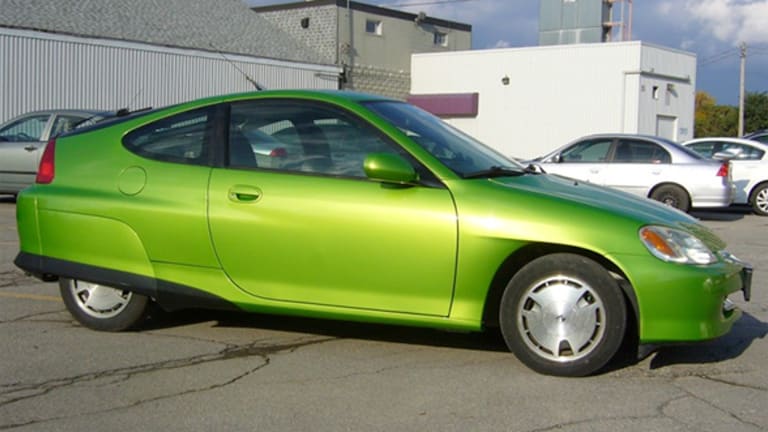
Top 10 Tips to Maximize Your Vehicle's Fuel Efficiency
Maximizing your vehicle's fuel efficiency is crucial not only for saving money but also for reducing your carbon footprint. Here are the top 10 tips to help you get the most miles per gallon:
- Maintain Regular Servicing: Regular maintenance, including oil changes and air filter replacements, ensures your vehicle runs smoothly and efficiently.
- Check Tire Pressure: Under-inflated tires can reduce fuel efficiency. Always keep your tires properly inflated.
- Reduce Excess Weight: Remove unnecessary items from your vehicle to decrease the load and improve fuel efficiency.
- Avoid Idling: Turn off your engine when parked or waiting to conserve fuel.
- Drive Smoothly: Accelerate gradually and avoid sudden braking to improve mileage.
- Use Cruise Control: On highways, using cruise control can help maintain a constant speed and maximize fuel efficiency.
- Limit Use of Air Conditioning: Air conditioning can increase fuel consumption, so use it sparingly.
- Plan Efficient Routes: Taking shorter or less congested routes can save fuel and time.
- Fuel Up Wisely: Choose high-quality fuels and avoid filling up during the hottest parts of the day to minimize evaporation.
- Monitor Your Driving Habits: Keeping track of your driving style can help identify areas for improvement, leading to better fuel efficiency.
How Fuel Efficiency Saves You Money: The True Cost of Driving
Fuel efficiency plays a crucial role in reducing the overall cost of driving. When you choose a vehicle that offers better fuel economy, you not only save money on gas but also decrease the frequency of refueling stops. Over time, these savings can add up significantly, leading to a more economical driving experience. For instance, if your car averages 30 miles per gallon (mpg) instead of 20 mpg, you could potentially save hundreds of dollars annually, depending on your driving habits and fuel prices.
In addition to fuel savings, improved fuel efficiency often correlates with lower emissions and a reduced environmental impact. This not only fosters a healthier planet but can also lead to long-term financial benefits through various governmental incentives, like tax breaks or rebates for eco-friendly vehicles. By understanding the true cost of driving—factoring in both fuel and overall efficiency—consumers can make informed decisions that align their financial goals with sustainability, ultimately leading to substantial savings.
Is Your Driving Style Sabotaging Your Fuel Economy?
Your driving style can significantly impact your fuel economy. If you frequently accelerate rapidly or brake hard, you may be consuming much more fuel than necessary. Studies have shown that aggressive driving can reduce your vehicle's fuel efficiency by as much as 33% on the highway and 5% around town. To improve your fuel economy, consider adopting a smoother driving style that includes gradual acceleration and gentle braking. This not only benefits your fuel consumption but also contributes to a safer driving experience.
Another factor to consider is your speed. Driving at higher speeds can lead to increased wind resistance, which in turn decreases fuel efficiency. According to experts, speeding can lower your gas mileage by around 10% for every 5 mph you drive over 50 mph. To maximize your fuel economy, aim to maintain a steady speed, ideally between 45-65 mph. Additionally, keeping your tires properly inflated and reducing excess weight in your vehicle can further enhance your fuel efficiency, ensuring that your driving habits don't sabotage your fuel economy.