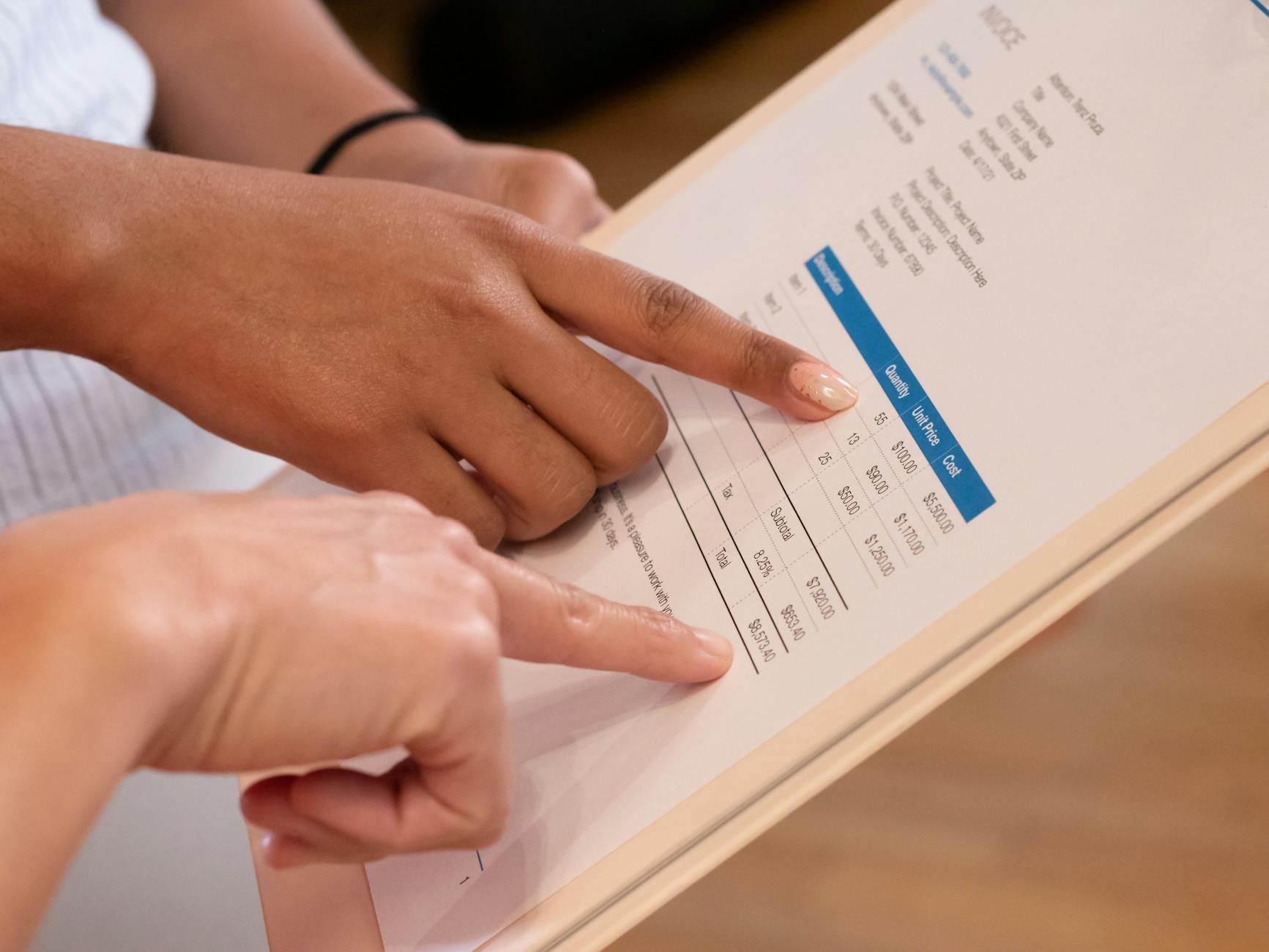
E-invoice vs. PDF: Understanding the UAE's Evolving Landscape & Your Business's Obligations
The distinction between an 'E-invoice' and a 'PDF invoice' is becoming increasingly critical for businesses operating in the UAE, particularly with the impending mandate for electronic invoicing. While both are digital documents, their underlying structure and legal standing differ significantly. A PDF invoice is essentially a digital image or a static representation of an invoice. It's human-readable and can be emailed, but it lacks structured data that can be directly processed by accounting systems without manual data entry or optical character recognition (OCR) – processes prone to errors and inefficiencies. The UAE's move towards e-invoicing, aligned with global trends, aims to transcend these limitations by requiring machine-readable invoices that facilitate real-time data exchange, automate reconciliation, and enhance tax compliance and transparency.
An E-invoice, in the context of the UAE's evolving landscape, refers to an invoice issued, transmitted, and received in a structured electronic format that allows for its automatic and electronic processing. This means the data within the invoice (e.g., vendor details, line items, amounts, tax information) is coded in a way that software can understand and utilize directly, without human intervention. Common formats include XML or UBL, often transmitted through secure networks or government-designated platforms. The shift from PDF to true e-invoices is not merely a technological upgrade; it's a fundamental change in how transactions are recorded and reported, impacting everything from your accounts payable/receivable processes to your VAT reporting. Understanding and preparing for this transition is paramount to ensure your business remains compliant and avoids potential penalties in the UAE.
Understanding the distinction between a PDF and an e-invoice is crucial for modern businesses. While a PDF invoice is essentially a digital image of a paper invoice, lacking the structured data necessary for automated processing, an e-invoice is a digital document issued, transmitted and received in a structured electronic format which allows for its automatic and electronic processing. For a comprehensive breakdown of pdf vs e-invoice, it's clear that e-invoices offer superior efficiency, accuracy, and compliance benefits over traditional PDF invoices.
Making the Switch: Practical Tips, Common FAQs, and Maximizing E-invoice Benefits for Your UAE Business
Transitioning to e-invoicing in the UAE doesn't have to be a daunting task. Our practical tips will guide you through a smooth implementation, ensuring your business reaps the full benefits. Firstly, assess your current invoicing workflow to identify areas for automation and integration. Consider solutions that offer seamless integration with your existing accounting software, minimizing disruption. Secondly, prioritize staff training; a well-informed team is crucial for successful adoption. Look for providers that offer comprehensive support and training resources. Finally, start with a pilot program, perhaps with a subset of your clients, to iron out any kinks before a full rollout. This iterative approach allows you to refine your process and address common FAQs proactively, making the switch efficient and stress-free for everyone involved.
Maximizing the benefits of e-invoicing goes beyond mere compliance; it's about transforming your financial operations. Businesses in the UAE can expect significant improvements in efficiency, accuracy, and cash flow. For instance, imagine reducing human error in data entry, accelerating payment cycles through instant delivery, and gaining clearer insights into your financial health. E-invoicing also strengthens your audit trail, providing a robust, digital record for all transactions. Don't overlook the environmental benefits either – a paperless workflow contributes to your corporate social responsibility. By embracing e-invoicing strategically, your UAE business isn't just adhering to regulations; it's investing in a more agile, secure, and profitable future. Remember, the more integrated your e-invoicing solution is, the greater the returns you'll see across your entire business ecosystem.