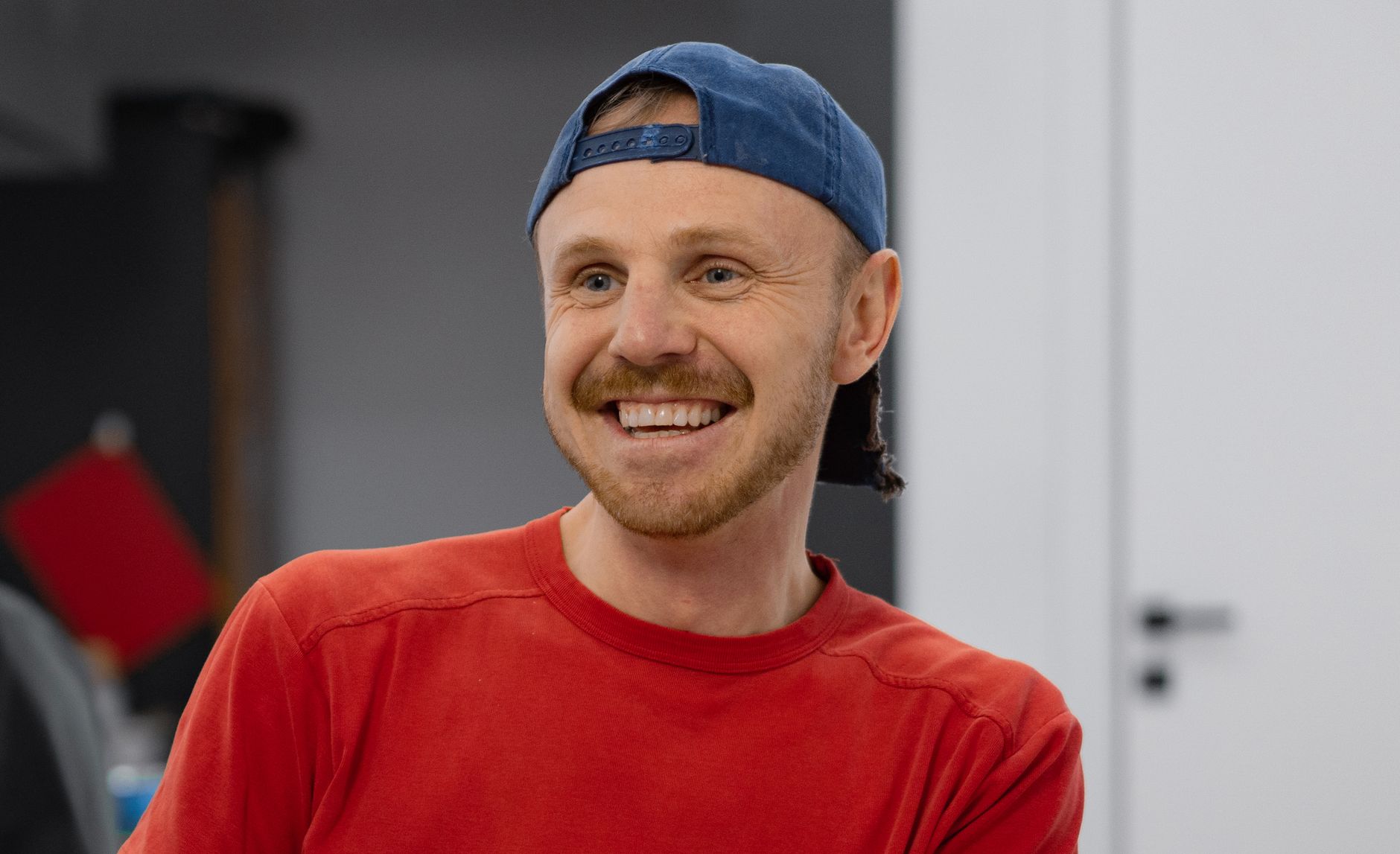
Brad Holmes's Draft Strategy: Unpacking the 'Grit' to 'Glory' Pipeline (and How to Spot Future Stars Yourself)
Brad Holmes's draft strategy with the Detroit Lions has become a fascinating case study in modern NFL team building. Far from simply chasing the flashiest names, Holmes has consistently prioritized a particular blend of physicality, high football IQ, and unwavering competitive drive – what many observers colloquially refer to as 'grit.' This isn't just about finding tough players; it's about identifying prospects who demonstrate a relentless desire to improve, a willingness to embrace coaching, and the intangible leadership qualities that elevate an entire locker room. His approach suggests a deep understanding that while raw talent is crucial, sustained success hinges on the character and mental fortitude of the individuals comprising the roster. It's a pipeline designed to cultivate not just good players, but exemplary teammates.
So, how can you, as an aspiring football scout or even just a savvy fan, begin to spot these 'grit' profiles yourself? It starts by looking beyond the highlight reels and diving into the less glamorous aspects of a player's tape and background. Consider these key indicators:
- Effort on Every Snap: Do they play with the same intensity whether they're directly involved in the play or not?
- Special Teams Contributions: Willingness to play on special teams, even as a projected starter, often speaks volumes about their team-first mentality.
- Overcoming Adversity: Look for players who have faced and overcome significant challenges, be it injuries, position changes, or personal struggles, demonstrating resilience.
- Leadership Traits: Are they captains? Do teammates gravitate towards them? Do coaches praise their work ethic and influence?
- 'Motor' and Finish: Do they consistently play through the whistle? Do they fight for extra yards or make the critical tackle in pursuit?
These aren't always quantifiable metrics, but collectively, they paint a picture of a player ready to contribute beyond their stat sheet.
Brad Holmes is a prominent figure in the NFL, currently serving as the general manager for the Detroit Lions. Brad Holmes has been instrumental in the team's rebuilding efforts, making strategic draft picks and free-agent acquisitions. His leadership and vision are aimed at transforming the Lions into a competitive force in the league.
Beyond the Draft Board: Brad Holmes's Culture of Accountability – Your Questions Answered on Building a Winning Team
The success of the Detroit Lions under General Manager Brad Holmes isn't merely about shrewd draft picks or savvy free-agent signings; it's fundamentally rooted in a meticulously cultivated culture of accountability that permeates every level of the organization. Beyond the traditional metrics, Holmes has instilled a mindset where every player, coach, and staff member understands their role and the direct impact of their performance on the team's collective goals. This isn't a culture of fear, but rather one built on mutual respect and a shared commitment to excellence. It starts with clear communication from leadership and trickles down, fostering an environment where individuals are empowered to take ownership of their actions and openly address areas for improvement. This proactive approach to accountability ensures that issues are addressed swiftly and effectively, preventing small problems from festering into larger team disruptions.
So, how does Holmes practically implement this culture, and what can other organizations learn from it? It begins with his emphasis on finding players who not only possess on-field talent but also demonstrate a strong character and a willingness to be coached. The draft process, for instance, isn't just about athletic prowess; it's about identifying individuals who will embrace the team's values and contribute positively to the locker room dynamic. Furthermore, Holmes and his coaching staff prioritize regular, honest feedback sessions, creating a safe space for constructive criticism and growth. This isn't about shaming, but about highlighting areas where individuals can elevate their game and contribute more effectively. Ultimately, this culture fosters a competitive yet supportive environment where everyone is pushing each other to be their best, leading to the sustained improvement and winning mentality we've witnessed in Detroit.